

The scientific symposium “PMOS – Vision 2026” concluded today, Thursday, 17 September 2026, at the 22 May Hall. The symposium addressed Polycystic Ovary Metabolic Syndrome (PMOS) through an intensive scientific programme that brought together a distinguished group of academics, consultants, and specialists. The programme explored the latest scientific, diagnostic, and therapeutic perspectives related to the syndrome and its various health implications.
The event began with a recitation of verses from the Holy Qur’an, followed by the national anthem. Prof. Dr. Abdullah Al-Matari, Rector of the University, then delivered a welcoming address in which he welcomed the participants, speakers, and attendees. He emphasized the importance of organizing specialized scientific events that contribute to the exchange of expertise, promote continuing medical education, and link clinical practice with the latest scientific and research developments. Following the opening programme, the symposium’s scientific sessions began. The programme was divided into two scientific sessions, with four lectures delivered in each session by a number of consultants, academics, and specialists from various medical fields. This reflected the interdisciplinary nature of the topic and the importance of addressing it from a multidisciplinary scientific perspective.
The first scientific session addressed several issues related to diagnostic challenges and potential problems in the management of PMOS, insulin resistance, and the dermatological and hormonal manifestations of the syndrome. It also discussed the shift in the scientific concept from PCOS to PMOS and the broader metabolic and clinical dimensions associated with this perspective.
The first session was followed by an extended panel discussion, which provided an opportunity for scientific dialogue and the exchange of expertise among specialists and attendees. The discussion addressed several important issues related to medical ethics and comprehensive patient care, emphasizing the importance of not reducing the condition to indicators and numerical values alone. It also explored psychological aspects, quality of life, hyperandrogenism, and the cardiovascular and metabolic risks associated with the syndrome.
During the second scientific session, the programme continued with four lectures addressing the relationship between pharmacological treatments and associated metabolic disorders, the clinical use of metformin, the reproductive and cardiovascular dimensions of the syndrome, as well as its associated psychological disorders. The presentations emphasized the importance of an integrated approach to diagnosis and treatment.
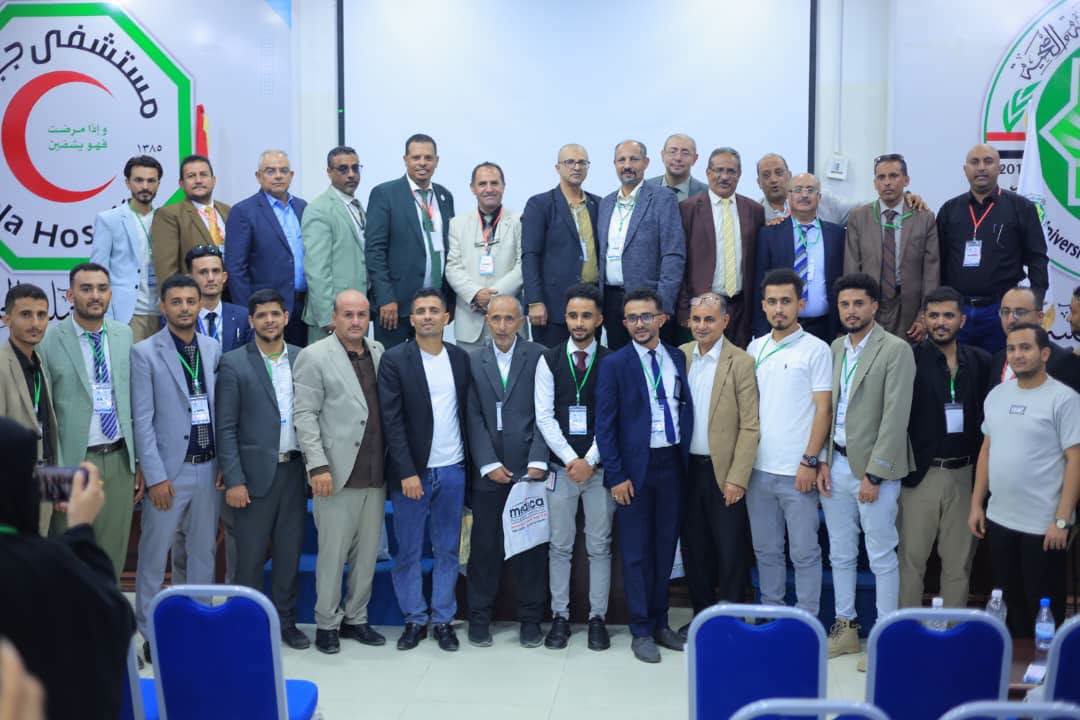
The symposium witnessed strong attendance and active engagement from physicians, academics, and other interested participants. The diversity of the speakers, session chairs, and participants’ medical specializations contributed to enriching the discussion and examining the topic from a range of clinical and scientific perspectives. PMOS – Vision 2026 represented an intensive scientific day that brought together clinical expertise and academic knowledge. Participants presented the outcomes of their scientific and professional experiences, highlighting the importance of multidisciplinary collaboration in understanding the syndrome and addressing its various dimensions.
At the conclusion of the programme, the symposium came to an end following a full day of scientific lectures and discussions. The event received positive feedback regarding the quality of its scientific content and organization, with emphasis placed on the importance of continuing such meetings as platforms for continuing medical education and the exchange of knowledge and expertise among specialists.
Public Relations and Media Department
Mr. Basheer Al-Ba’adani